Streamlit + DuckDB: Build Interactive Data Apps That Read and Write to a DuckDB Database
Build a simple Streamlit task tracker that reads from DuckDB, writes new rows, updates task status, and validates the result with SQL.

As a Data Scientist, I use statistical methods such as ML algorithms in order to identify patterns and to extract knowledge from data.
Build a simple Streamlit task tracker that reads from DuckDB, writes new rows, updates task status, and validates the result with SQL.

📘 Introduction In the following you will find a fictional e-commerce dataset. The Deep Learning Nerds Academy Store is a fan shop that offers merchandise inspired by artificial intelligence and data science. Its product range includes hoodies, T-shirts, accessories, and other themed items designed for technology enthusiasts and fans...
📘 Introduction Generating images with AI has never been easier. Hugging Face’s Diffusers library provides a user-friendly way to create stunning visuals using pre-trained diffusion models like Stable Diffusion. In this guide, we’ll walk through the entire process step by step. 🧠 What are Hugging Face Diffusers? Diffusers...
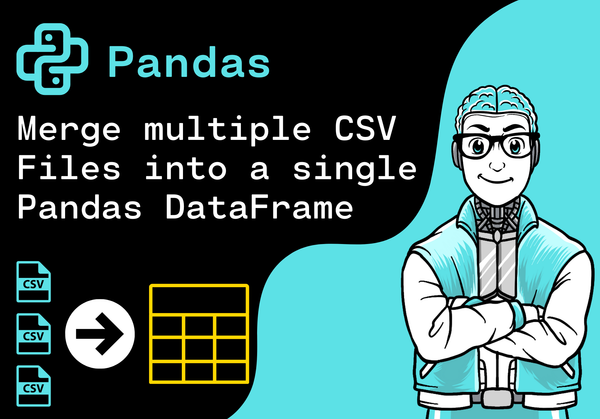
📘 Introduction When working with data spread across multiple CSV files, combining them into one unified dataset can save time and simplify your workflow. In this guide, you’ll learn how to merge multiple CSV files into a single Pandas DataFrame using just a few lines of Python. ✅ Prerequisites Before you...
📘 Introduction JSON is one of the most widely used data formats for APIs, configurations, storage, and modern applications. Converting CSV to JSON in Python is incredibly simple using Pandas. In this tutorial, we will walk through the full process: creating a sample CSV file, loading it into a Pandas DataFrame,...
📘 Introduction In modern data workflows, Parquet is a popular columnar storage format for efficient data storage and faster analytics. Converting CSV to Parquet in Python is straightforward using Pandas and PyArrow. In this tutorial, we will walk you through the complete process: from creating a sample CSV file, reading it...
📘 Introduction Choosing the right framework can dramatically shape the experience of building and deploying generative AI applications. Streamlit and Gradio are two of the most popular tools for rapidly creating AI demos, prototypes, and interactive interfaces — but they shine in different scenarios. In this guide, we’ll break down when...
📘 Introduction Choosing the right framework can make or break your web app. Streamlit and React are two powerful but very different tools. Streamlit is perfect for quickly building interactive data apps in Python, while React offers unmatched flexibility for large-scale, production-ready web applications. But which one is right...
📘 Introduction Streamlit makes it easy to build interactive apps — and its st.data_editor() widget lets users edit data directly inside your app. But what if a single cell needs multiple selections, like tags, skills, or categories? 🤔 That’s where st.column_config.MultiselectColumn comes in! It allows you to...